
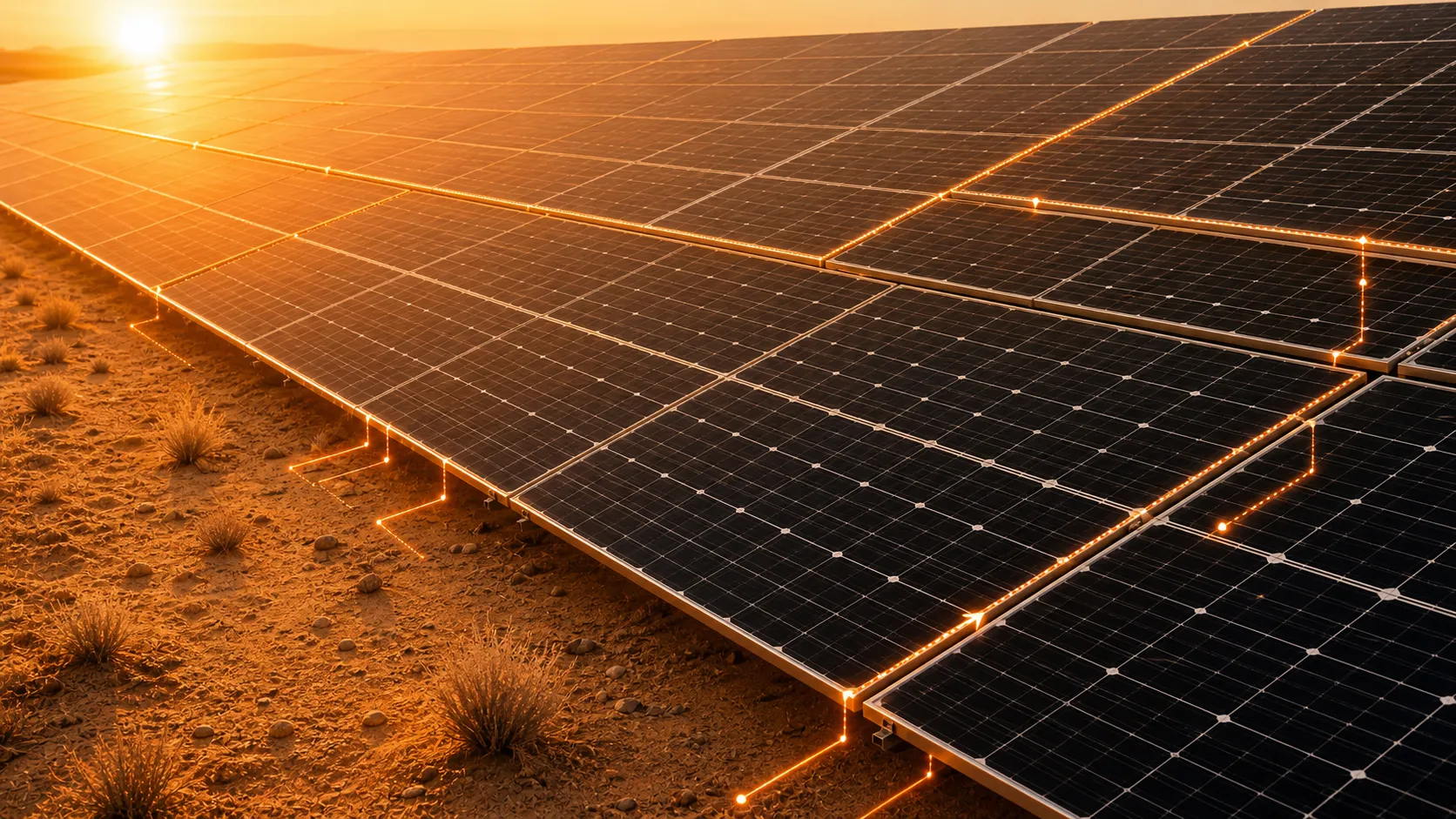

Monitors 24/7
Watches your microgrid around the clock instead of frustratingly leaving you to read graphs.
True energy independence
Produce it. Store it. Monitor it. Control it.





Why Mycrogrid® exists
Mycrogrid® is built for people who want more than a solar installation. We build solutions in residential and commercial energy infrastructure. We focus on what happens after the equipment is installed...how your system produces, stores, protects, and manages energy on your property. Every Mycrogrid® includes access to Mycroguard™, the software platform that helps you monitor, manage, and optimize your energy ecosystem.
Mycroguard™
Mycroguard™ is the software side of Mycrogrid®: proactive, 24/7 monitoring that diagnoses issues remotely, often before you even know there's a problem. It alerts you and helps coordinate the fix before small issues become big.

The protection layer for customer-specific microgrid systems: monitoring, service context, and operational visibility under one branded operating system and accessible through the Mycrogrid® app, the on-line Mycrogrid® portal by calling 1-833-MYGRID.
Watches your microgrid around the clock instead of frustratingly leaving you to read graphs.
Catches and diagnoses issues remotely...often before you even know there's a problem.
Alerts you and lines up the Mycroguard™ team before small issues become big.
Here is why Mycrogrid® exists, before we ever ask you for a call or a form fill.
Solar is the starting point. Phase I. It puts a generator on your roof and begins your move toward a more independent energy system.
Batteries let your home store, control, and use energy on its own terms instead of pulling everything from the grid. Phase II.
Panels alone are not the whole answer. Paired with battery storage gets you closer. The destination is Mycrogrid®. An energy system that you actually control. Phase III.
We want you to understand how the system works before you ever talk to us about buying one.
Mission notes
Mycrogrid® is about where energy is actually headed: microgrids, local control, Mycroguard™ service software, and renewable energy systems that turn the utility into backup power.
We move you away from forced grid-tied dependence and toward a system designed to work for you locally.
A microgrid makes solar more useful by generating, storing, and managing energy right at your property.
Every system is designed so you decide when, where, and how your energy gets used.
Who we build for
The same utility-independent thinking serves a single home and an entire development. Neither one comes second. Both get a system designed around control instead of dependency.
A complete energy system for your property: solar, storage, and Mycroguard monitoring designed to work as one.
Utility-independent infrastructure so your projects move on your schedule, not the utility's. This is true energy independence at the development level.
Mycrogrid® era
Everyone thinks the EV revolution is about cars. It isn't. The same investment driving battery density higher, with more capacity, longer life, and lower cost, won't just power your car. It will power your home with AI powering your decisions and that's what makes the Mycrogrid® era possible.
The same wave of EV investment driving down battery costs is what makes home storage more capable and affordable.
This is about more than generating electricity. It is about integrating the very best of AI interactivity controlling when, where, and how energy is used.
The destination is local, complete energy control: homes and businesses that generate, store, and manage their own energy using the utility grid as backup.
Phase shift
The progression is simple: generation first, storage second, independence last. This is how you accurately, safely and permanently cut the cord from the utility grid.
Solar proved that households can generate power on-site. That was the first step, not the finish line.
Storage is the next layer. It turns generation into independence and gives you control over when power is used.
The long game is not solar alone. That era lasted 20 years. Now, it is homeowner-owned energy infrastructure built around local control and resilience: a self-sustained home where the grid is just backup power.
Why now
The rules that made a grid-tied, send-everything-back system pay off are gone. What's left rewards the homes and developments that generate, store, and control their own power on-site. That is a microgrid — and it is quickly becoming the obvious choice, not the bold one.
By 2028, 50% of people who move into new homes will not be calling the utility — they will be building microgrids.
Vincent Battaglia, Mycrogrid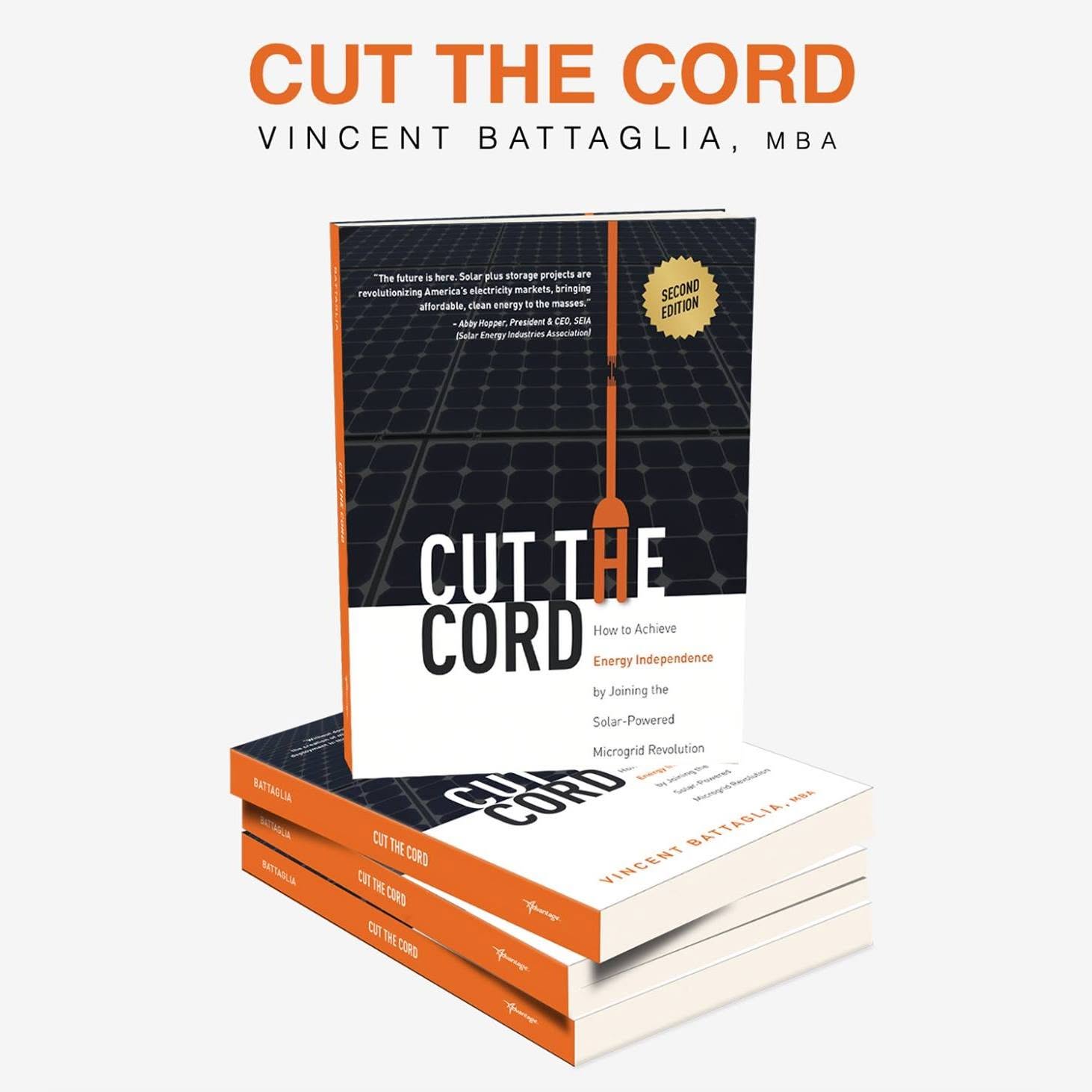
From our founder
Cut the Cord — now in its second edition — is founder Vincent Battaglia's case for energy independence through solar, storage, and the microgrid. It's where the Mycrogrid idea started.
HELOC Pricing
A HELOC can fit a microgrid project in a few different ways. Here is how each one works, without pretending every lender or rate is the same.
Fund the full system from your HELOC so the installation moves in one clean step.
Cover part of the project in cash and use the HELOC for the rest or for later upgrades.
Start with the core solar array and draw on the HELOC later for battery storage or added equipment.